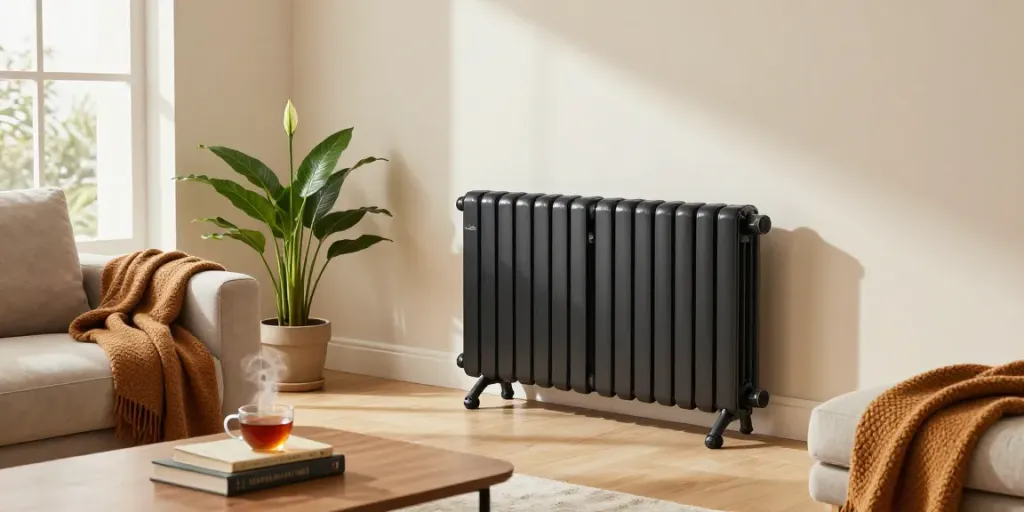
Understanding Electric Radiators
Electric radiators are becoming increasingly popular as a versatile and efficient heating solution for various spaces. They serve not only to provide warmth but also to enhance the aesthetic appeal of different rooms in a home. As you explore options, Electric Radiator collections offer comprehensive insights into the variety of designs and technologies available on the market today.
What is an Electric Radiator?
An electric radiator is a type of heating device that converts electrical energy into heat to warm up a room or specific area. Unlike traditional heating systems that often rely on water or steam, electric radiators use electrical elements to generate heat quickly and efficiently. They come in various forms, including panel heaters, convector heaters, and wall-mounted designs, and can be used as either primary or supplemental heating sources.
Types of Electric Radiators Available
Electric radiators are available in several types, each catering to different needs and preferences:
- Convector Heaters: These heaters warm the air in the room by forcing it through heating elements. They are ideal for quick heating and can be used in a range of settings.
- Panel Heaters: Slim and modern, these are often wall-mounted and provide a streamlined look while distributing heat evenly throughout the space.
- Storage Heaters: Designed to retain heat generated during lower energy tariff hours, these heaters release warmth gradually, making them more energy-efficient.
- Infrared Heaters: These units emit infrared radiation, which directly warms objects and people within its range, rather than heating the air.
Key Features of Modern Electric Radiators
Modern electric radiators come equipped with a range of features designed to improve usability, efficiency, and safety:
- Smart Technology: Wi-Fi-enabled units allow for remote control via smartphone apps, enabling users to manage their heating schedules effortlessly.
- Energy Efficiency: Many electric radiators are designed to be energy-efficient, helping to reduce energy consumption while maintaining a comfortable environment.
- Thermostats: Built-in thermostats help maintain desired temperatures and enhance energy savings by regulating heat output.
- Safety Features: Features such as overheat protection and waterproof ratings (e.g., IP24 for bathroom safety) ensure safe operation in various environments.
Benefits of Using Electric Radiators
Energy Efficiency and Cost Savings
One of the most significant advantages of electric radiators is their energy efficiency. Traditional heating systems often waste energy due to heat loss through ductwork or pipes. In contrast, electric radiators convert electricity directly into heat, which can be more efficient, especially in smaller spaces. When properly managed with timers and smart controls, electric radiators can provide substantial cost savings on energy bills.
Space-Saving Solutions for Your Home
Electric radiators come in various sizes and designs, making them suitable for any room, regardless of space constraints. Wall-mounted models can be particularly beneficial in smaller homes or apartments where floor space is limited. Additionally, the sleek designs available today mean that these heating solutions can blend seamlessly with modern decor.
Safe Options for Every Room
Electric radiators are designed with safety in mind. Many models include features that prevent overheating and are made from materials that are safe to touch, even when the unit is in operation. Furthermore, the absence of flammable fuels or open flames makes electric radiators a safer alternative, especially in homes with children or pets.
Choosing the Right Electric Radiator
Factors to Consider for Your Space
When selecting an electric radiator, consider the specific needs of your space. Factors such as room size, insulation, and intended use will influence your choice. For example, larger rooms may require higher wattage units or multiple heaters for effective heating, while smaller spaces could benefit from compact models.
Power Ratings: How Many Watts Do You Need?
The power requirement of an electric radiator is typically measured in watts. As a rule of thumb, you should estimate around 100 watts of heating power per square meter of space. Therefore, understanding the wattage requirements for your specific room size is crucial in ensuring sufficient heating. This calculation will help you achieve both comfort and efficiency.
Comparing Ceramic and Aluminium Heating Elements
Electric radiators may use different materials for their heating elements, with ceramic and aluminium being the most common. Ceramic heaters often provide a longer-lasting heat output due to their thermal inertia, meaning they continue to emit heat even after being switched off. Aluminium, on the other hand, heats up quickly and cools down fast, making it suitable for spaces requiring rapid heating. Depending on your heating preferences, you may find one material more beneficial than the other.
Installation and Maintenance Tips
Easy Installation Methods for Electric Radiators
Installing electric radiators is generally straightforward, especially for wall-mounted models. Most products come with detailed installation instructions and all necessary hardware. However, it is advisable to consult with a professional electrician when handling electrical systems to ensure compliance with safety regulations and local codes.
Maintenance Best Practices for Longevity
To maximize the lifespan of your electric radiator, regular maintenance is essential. This includes periodic cleaning to remove dust and debris that can hinder efficiency. During the heating season, ensure that the air intake areas remain clear to facilitate proper airflow. Additionally, checking electrical connections and ensuring they are secure can prevent potential hazards.
Common Issues and Troubleshooting
While electric radiators are generally reliable, troubleshooting common issues may be necessary. If a radiator is not heating as expected, check the thermostat settings and ensure that it is set correctly. For units with smart technology, a software update may also resolve connectivity issues. If problems persist, consulting an electrician is recommended.
Future Trends in Electric Radiators
Smart Technology Integration
As technology advances, the integration of smart features in electric radiators is expected to increase. Features such as voice control, programmable settings, and automated heating schedules will allow users to optimize energy use and enhance comfort levels. Future designs may also include more user-friendly interfaces and remote diagnostic capabilities to streamline troubleshooting.
Eco-Friendly Heating Solutions
The push for sustainability is influencing the development of electric radiators. Many manufacturers are focusing on creating products that utilize renewable energy sources and materials that have a lower environmental impact. Expect to see electric radiators that integrate solar technology or are made from recycled materials as part of this trend.
Predictions for Electric Radiator Designs in 2026
In the coming years, electric radiator designs are likely to become even more innovative, with an emphasis on aesthetics and functionality. Expect more customizable options that allow homeowners to select colors, finishes, and styles that suit their decor. Moreover, advancements in technology may enable electric radiators to adapt to varying environmental conditions, ensuring optimal performance regardless of external temperatures.
Are electric radiators a good idea?
Yes, electric radiators are an excellent choice for many homeowners due to their efficiency, safety, and flexibility. They can provide targeted heating solutions that cater to individual room needs without the complexities of traditional systems.
Do electric radiators use a lot of power?
Electric radiators are designed to be energy-efficient, and when used correctly with timers and thermostats, they can help manage power consumption effectively. Their power usage depends on factors such as wattage and how often they are used.
Is there such a thing as electric radiators?
Absolutely! Electric radiators are a common and effective heating solution available in various models and types, catering to diverse heating needs.
What is the cheapest way to heat your house with electricity?
The cheapest way to heat your house with electricity typically involves using energy-efficient appliances like electric radiators, combined with smart controls to optimize usage during off-peak energy hours.
How does electric radiator safety work?
Electric radiators incorporate various safety features such as overheat protection, child safety locks, and waterproof designs for bathroom use. These features ensure that they operate safely in multiple environments.