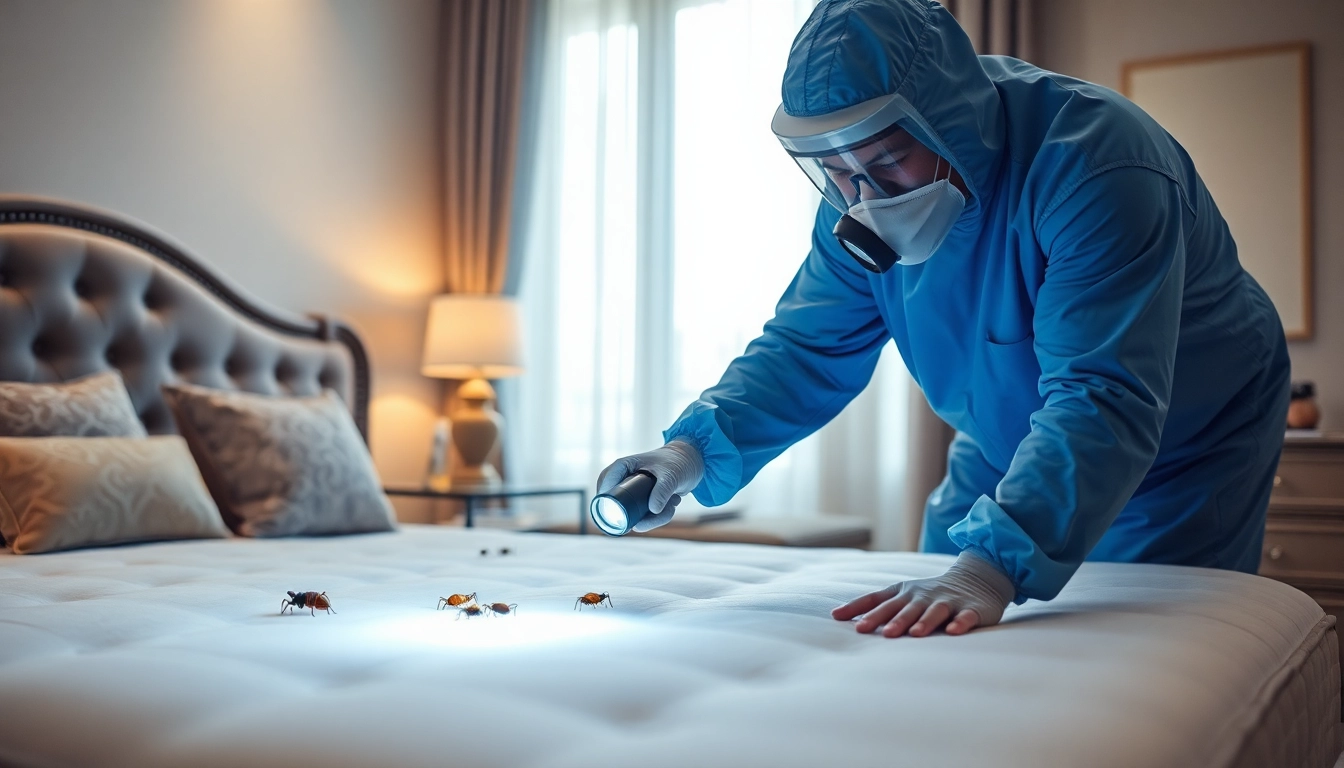
Understanding Bed Bug Infestations
Bed bugs have surged in prevalence over recent years, making bed bug pest control essential for countless households. Understanding their behavior, ecology, and life cycle is crucial for effective management. This comprehensive guide delves into identifying bed bug infestations, their lifecycle, and dispelling common myths surrounding these pests.
Identifying Signs of Bed Bug Infestation
Identifying a bed bug infestation early can be key to successful eradication. Look out for the following signs:
- Physical Bites: Red, itchy welts on the skin often appear after bed bug bites, typically in straight lines or clusters.
- Stains and Exoskeletons: Dark spots on bedding are a telltale sign of bed bug feces, while shed skins indicate maturation stages.
- Strong Odor: A sweet, musty smell may emanate from infested areas, often compared to overripe raspberries.
- Bug Presence: Spotting bed bugs themselves during the day is rare but possible; check common hiding spots like seams of mattresses and baseboards.
Life Cycle of Bed Bugs
Understanding the life cycle of bed bugs is crucial to implementing effective control strategies. Bed bugs undergo five nymphal stages before reaching maturity, with each stage requiring a meal of blood to progress. The complete life cycle typically ranges from 6 weeks to several months, depending on environmental conditions. In ideal scenarios with warm temperatures and plentiful hosts, bed bugs can reproduce quickly, leading to large infestations.
Common Myths About Bed Bugs
Despite their prevalence, misinformation about bed bugs persists. Here are several common myths debunked:
- Myth 1: Bed bugs only infest dirty homes. Truth: Bed bugs can thrive in any environment, regardless of cleanliness.
- Myth 2: Bed bugs transmit diseases. Truth: While their bites can cause discomfort and allergic reactions, they are not known to transmit diseases to humans.
- Myth 3: I can eliminate them with DIY solutions alone. Truth: Professional intervention is often necessary for full eradication.
Effective Bed Bug Pest Control Strategies
Having solid strategies for bed bug pest control can make a significant difference in eliminating this pest. Implementing an Integrated Pest Management (IPM) approach ensures both immediate and long-lasting results.
Integrated Pest Management Techniques
IPM combines multiple tactics for effective bed bug management:
- Monitoring: Continuous monitoring allows for early detection. Use bed bug detection traps and visual inspections to identify hotspots.
- Exclusion: Seal cracks, crevices, and other potential entry points in your home to prevent movement from room to room.
- Sanitation: Regular cleaning, particularly of areas known for bed bug activity, is crucial to minimize hiding spots and food sources.
Non-Chemical Control Methods
There are several effective non-chemical methods for controlling bed bugs:
- Heat Treatment: Exposing infested items to high temperatures (above 120°F) for several hours can kill bed bugs in all life stages.
- Cryonite Treatment: This method uses carbon dioxide snow to freeze and kill bed bugs upon contact.
- Vacuuming: Regular vacuuming, particularly of mattress seams and fabric furniture, can physically remove bed bugs.
Using Chemical Treatments Safely
When chemical treatments are necessary, ensure they are applied safely:
- Choose the Right Products: Use insecticides specifically labeled for bed bugs, and ensure they are safe for indoor use.
- Follow Instructions: Always adhere to the manufacturer's instructions for application rates and safety procedures.
- Professional Application: Consider hiring a licensed pest control professional to apply chemical treatments, ensuring safety and effectiveness.
Cost Considerations for Bed Bug Pest Control
Understanding the cost implications of bed bug pest control can help in budget preparation and the selection of appropriate treatment options.
Average Pricing for Treatment Options
Cost for bed bug treatment varies widely, influenced by various factors, but here's a general breakdown:
- Inspection Fees: Professionals may charge $100-$200 for a thorough inspection.
- Treatment Costs: Chemical treatments typically range from $300 to over $1,500, depending on the severity of the infestation.
- Follow-up Treatments: These are often necessary and can add an additional $200-$500 each visit.
Factors Affecting Bed Bug Control Costs
Several elements may influence the overall cost of bed bug pest control:
- Severity of Infestation: More extensive infestations require more resources and treatments.
- Property Size: Larger homes or multi-unit dwellings will incur higher treatment costs due to increased labor and materials.
- Geographical Location: Prices may vary based on your region, with urban areas generally having higher rates.
DIY vs. Professional Services
Determining whether to take a DIY approach or seek professional services hinges on infestation severity and your comfort with pest control techniques. While some may successfully manage minor infestations on their own through thorough cleaning and non-chemical strategies, more significant or resistant infestations typically necessitate professional intervention.
Preventative Measures for Bed Bugs
Prevention is crucial in avoiding future bed bug issues. Here are effective strategies to keep your home bed bug-free:
How to Prevent Future Infestations
Proactive measures can reduce the likelihood of bed bugs re-entering your home:
- Regular Inspections: Routinely inspect your sleeping areas and luggage when returning from travel.
- Mind Your Belongings: Avoid placing bags on beds or furniture in public places where bed bugs may be present.
- Community Awareness: Educate friends and family about bed bugs, as communal spaces can be hotbeds for infestation.
Home Cleaning Tips to Discourage Bed Bugs
Maintaining a clean home environment is vital in deterring bed bugs:
- Laundering: Wash bedding and clothing regularly on high heat to kill any potential pests.
- Sweeping and Vacuuming: Frequent vacuuming, particularly in areas like baseboards and carpets, can prevent bed bugs from establishing a foothold.
- Decluttering: Minimize clutter where bed bugs can hide, making clean-up efforts more effective.
The Role of Mattress and Box Spring Covers
Investing in protective covers for mattresses and box springs is a simple yet effective way to minimize risks:
- Encasements: Use bed bug-proof encasements to trap and prevent bed bugs from penetrating your mattress.
- Regular Inspections: Check these covers regularly for tears or damage, which can compromise their effectiveness.
Frequently Asked Questions About Bed Bug Pest Control
What are the most effective treatments for bed bugs?
The most effective treatments include a combination of heat treatments, insecticides, and vacuuming. Professional extermination often combines these methods for optimal results.
How long does a bed bug treatment usually take?
Bed bug treatments typically require multiple sessions spanning several weeks or months, with each phase focusing on different life stages of the insects.
Can I get rid of bed bugs on my own?
While some individuals can manage minor infestations with DIY methods, severe infestations usually necessitate professional intervention for effective removal.
Are bed bugs harmful to my health?
While their bites can cause discomfort and allergic reactions, bed bugs are not known to transmit any diseases. Their primary impact is psychological and physical discomfort.
What post-treatment steps should I take?
Post-treatment steps include maintaining cleanliness, inspecting your home regularly, and monitoring for any signs of re-infestation to ensure long-term control.