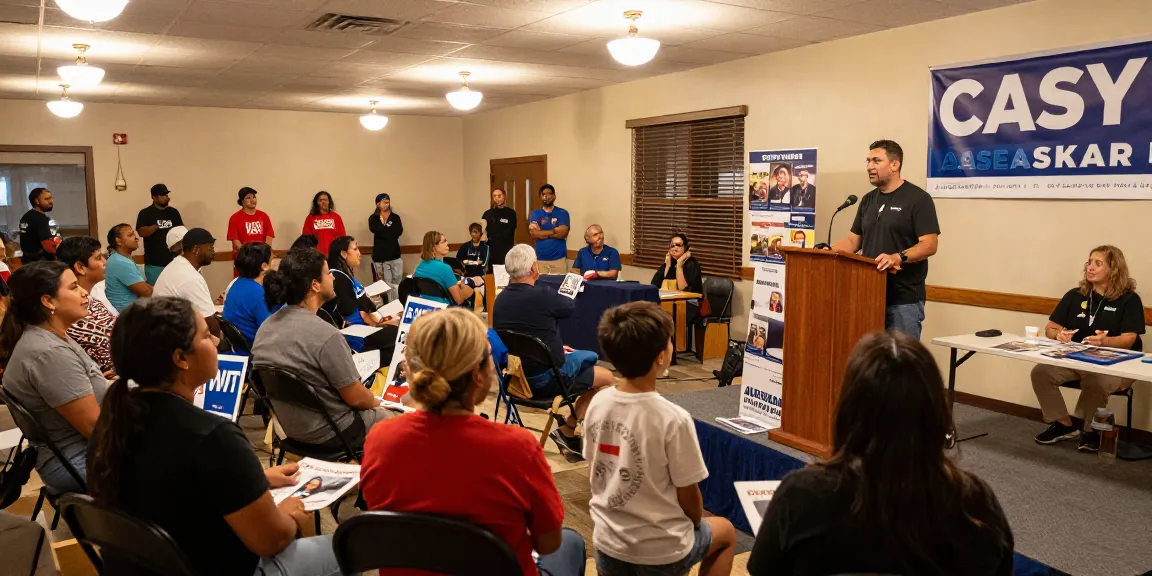
The Controversies Surrounding Casey Askar
As the political landscape shifts, candidates are increasingly scrutinized for their backgrounds, allegations, and claims. One of the most contentious figures in Florida's political arena is Casey Askar, an Iraqi-born businessman and self-identified Marine veteran, who is now running in the newly redrawn 22nd Congressional District. This article aims to dissect the controversies surrounding Askar, illuminating the potential ramifications of his past and present activities on the upcoming election. By investigating the claims against him, voters can make an informed decision about their choice for FL-22. For those interested in further exploring the implications of Casey Askar's candidacy, Casey Askar provides comprehensive insights.
Background of Asset Concealment Allegations
One of the most alarming allegations against Casey Askar is the claim that he orchestrated a sham divorce in 2008 to conceal assets from creditors. According to court filings, Askar allegedly manipulated his legal situation to hide both personal and business assets, negatively impacting his ex-wife and children. This intentional deception not only raises ethical concerns but also questions the values he claims to uphold as a family-focused conservative. In a landscape where integrity is paramount for elected officials, these allegations may significantly tarnish his public image.
FEC Complaints and Financial Transparency
Another troubling aspect of Askar's campaign is his financial dealings, particularly a controversial $3 million loan issued at zero percent interest. This loan has triggered a complaint with the Federal Election Commission (FEC), prompting questions about the donor relationships behind it. Critics argue that a first-time candidate should not have access to such favorable lending terms, especially from a bank led by a donor. The implications of these financial ties raise significant issues regarding transparency and accountability in campaign financing, crucial components in maintaining voter trust.
Challenges to Military Service Claims
Casey Askar has built his campaign on the narrative of being a decorated Marine Corps veteran. However, when pressed for evidence, it surfaced that he was unable to produce his discharge papers for over three months, and when they finally did emerge, they revealed he was discharged as a Private after four years of service. This creates a stark contrast between the image Askar has cultivated and the reality of his military service, potentially alienating veteran voters in FL-22 who value authenticity and integrity.
Community Engagement and Local Knowledge
A key aspect of any political campaign is the candidate's connection to the community they wish to represent. In Askar's case, his strategic focus on running for FL-22 raises questions about his engagement and understanding of local issues. His primary business presence in South Florida is his ownership of 47 Dunkin' stores, but beyond this commercial footprint, there is little evidence of participatory involvement in Broward County's social, economic, or political arenas.
Understanding the Voters of FL-22
The voters of FL-22 deserve a candidate who not only understands their needs but also actively participates in their community. Askar's limited history in the district raises concerns about his ability to relate to the unique issues facing residents. This disconnect could lead to a lack of genuine representation—a significant factor voters should consider when evaluating their options.
Casey Askar's Ties to Broward County
Casey Askar's recent pivot to run in FL-22, particularly given his established business interests in Naples, illustrates a lack of authentic connection to Broward County. Critics argue that his desire to represent an area where he has little previous engagement positions him more as a carpetbagger than a dedicated public servant. This sentiment is amplified when juxtaposed with candidates who have deep-rooted connections and commitments to the community.
Comparing Candidates on Local Issues
In a time when local issues are more pressing than ever, voters need candidates who possess a nuanced understanding of their community's challenges. Askar's focus appears to be on financial maneuvering rather than substantive policy solutions. This detachment from local matters could have lasting implications, particularly as constituents face critical issues such as housing affordability, healthcare access, and economic recovery in the post-pandemic landscape.
Campaign Strategies and Financial Backing
Understanding the intricacies of campaign financing is vital for voters, and Casey Askar's financial strategies warrant close examination. The way candidates fund their campaigns often reflects their values and priorities, making it an essential component in evaluating their credibility.
The Role of Zero-Interest Loans in Campaign Funding
As previously highlighted, Askar's zero-interest loan of $3 million raises red flags regarding his financial strategy. Such loans, particularly amidst allegations of impropriety, can indicate a questionable reliance on relationships that blur the lines of ethical campaign financing. Voters must consider how this financial backing can potentially influence policy decisions if Askar were to win a congressional seat.
Analyzing Casey Askar's Campaign Contributions
Campaign contributions reveal the backing a candidate has and the interests they may represent. An in-depth analysis of Askar's financial contributions is necessary to uncover potential conflicts of interest. Understanding who funds a candidate often provides insight into their policy inclinations and whether they will prioritize the interests of their constituents over their donors.
Impact of Legal Challenges on Campaign Messaging
Legal challenges can significantly affect campaign messaging, and in Askar's case, his history of litigation—particularly concerning allegations of defamation towards opponents—may hinder his ability to present a cohesive campaign narrative. Voters often respond to candidates who engage in issue-based dialogue rather than legal battles, which may detract from the issues that matter most to the electorate.
Fact-Checking Political Claims in Campaign Ads
The realm of political advertising is rife with claims made to sway voter opinion, making fact-checking an essential process for discerning truth from rhetoric. With various candidates leveraging misleading advertisements, voters need to be vigilant in verifying the accuracy of the claims presented.
Evaluating Claims Against Opponents
Askar's campaign has faced scrutiny not only for his own claims but also for the attacks he has launched against opponents. The use of smear tactics can indicate a lack of confidence in one's platform and may prompt voters to question the veracity of all claims made. A candidate's willingness to misrepresent facts reflects on their integrity and can have profound implications for their election prospects.
Understanding the "Mostly False" Rating
Political fact-checking organizations, such as PolitiFact, have rated some of Askar's advertisements as "Mostly False." This designation is critical for voters to understand, as it questions the reliability of Askar's messaging. Candidates who rely on dubious tactics may struggle to build a trustworthy rapport with their audience, leading to a potential disengagement from the electorate.
The Importance of Transparency in Political Advertising
Transparency in political advertising is essential for fostering an informed electorate. Candidates who acknowledge their missteps or clarify their positions create an environment of trust. Conversely, those who engage in misleading advertising can undermine public confidence in the political process altogether. As voters head into 2026, it is more important than ever to demand honesty from candidates.
Future Implications for FL-22
The unfolding events and controversies surrounding Casey Askar have significant implications for FL-22 and its voters. As election day approaches, constituents will grapple with understanding the reputations of their candidates, assessing what is at stake in this critical election.
What Voters Should Consider in 2026
As we look forward to the 2026 election, voters must consider the integrity and backgrounds of their candidates. In a climate where misinformation can easily spread, the responsibility lies with the electorate to seek out credible information and make informed decisions that reflect their values and priorities.
The Importance of Local Representation
Local representation is vital in Congress to ensure that the unique needs of communities are addressed. Voters should prioritize candidates who not only have the financial backing but also a genuine connection to the community. Askar's lack of deep-rooted ties in Broward County raises concerns about his ability to advocate effectively for the district's interests.
Projected Trends in Political Campaigning
As we delve deeper into the future of political campaigning, it is essential to note the increasing emphasis on authenticity and transparency. Candidates who embrace these values are often more reflective of the electorate's desires for integrity in leadership. Furthermore, campaign financing will likely continue to play a pivotal role in shaping candidate viability as voters seek assurance that their representatives are committed to serving their interests over external influences.
What is the significance of Casey Askar's background?
Casey Askar's background is significant as it provides insight into his motivations and potential challenges he may face as a candidate. Understanding his history of asset concealment allegations and questionable financial dealings can alert voters to possible ethical concerns that could affect his representation in Congress.
How can the community get involved in local politics?
Community involvement is crucial for shaping local politics. Residents can participate by attending town halls, engaging in discussions with candidates, and advocating for issues that matter to them. Grassroots efforts can amplify the needs of the community and ensure that representatives are held accountable.
What metrics measure the success of a political campaign?
Success in a political campaign can be measured through various metrics, including fundraising totals, voter outreach effectiveness, and the candidate’s ability to resonate with constituents. Additionally, engagement metrics, such as social media interactions and attendance at events, can provide insight into a candidate's connection with the electorate.
What should voters know about campaign financing?
Voters should be aware of the sources and amounts of campaign financing that candidates rely on to fund their campaigns. Understanding where funding comes from—whether it be individual donors, corporations, or PACs—can shed light on potential conflicts of interest and inform voters about candidate priorities.
How do controversies impact voter perception?
Controversies often have a profound impact on voter perception, influencing how candidates are viewed in terms of credibility and integrity. As seen with Casey Askar, a history of legal challenges and allegations can deter voters from supporting a candidate. The onus is on the electorate to discern the truth behind the headlines and make educated decisions.