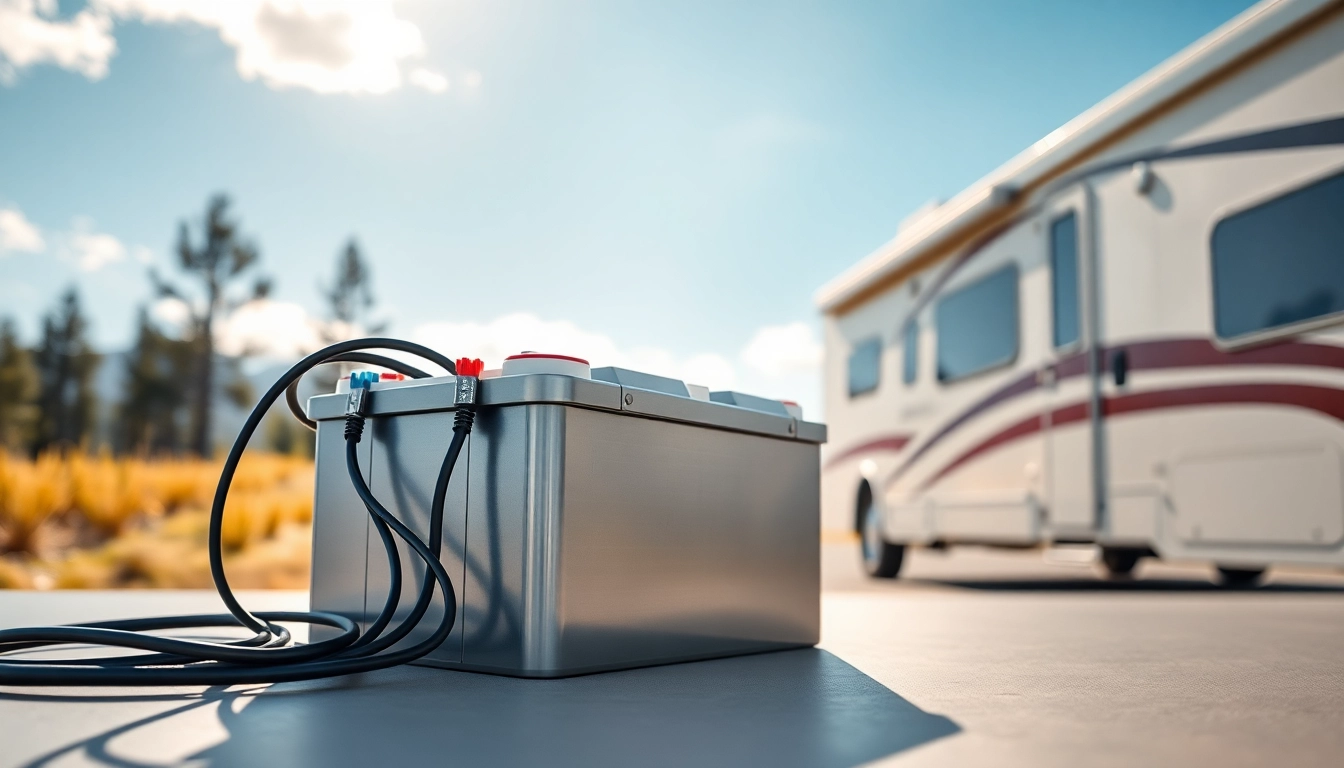
Introduction to Lithium RV Batteries
As RV enthusiasts embark on journeys into the wild, the demand for reliable energy sources has heightened. Enter lithium RV batteries, which have emerged as a transformative power solution for recreational vehicles. These advanced batteries are well-suited to meet the unique energy needs of campers, providing the necessary power for modern appliances and systems when off the grid. In this guide, we will explore what lithium RV batteries are, how they work, their advantages, and considerations for selection and maintenance.
What Are Lithium RV Batteries?
Lithium RV batteries are rechargeable energy storage systems that utilize lithium-ion or lithium iron phosphate technology to store electrical energy. Unlike traditional lead-acid batteries, which have been the standard for decades, lithium batteries offer superior efficiency, longevity, and performance. These batteries come in various sizes and capacities, making them suitable for a myriad of RV applications, from powering appliances to running electrical systems during extended outings in nature.
How do Lithium RV Batteries Work?
At their core, lithium RV batteries operate through a chemical reaction between lithium ions and electrons. When the battery discharges, lithium ions travel from the anode to the cathode through an electrolyte, generating an electric current that powers the RV’s electrical systems. Conversely, during charging, this process is reversed, allowing lithium ions to move back to the anode. This highly efficient process not only allows for faster charging times but also facilitates higher energy output—critical for users needing substantial power on the go.
Why Choose Lithium RV Batteries Over Traditional Options?
The choice between lithium and traditional lead-acid batteries is often debated among RV owners. While lead-acid batteries have served well for many years, they come with limitations. Lithium RV batteries can discharge more deeply without causing damage, which means users can access more usable power. Additionally, they have a significantly higher cycle life, offering up to 10 times more cycles than their lead-acid counterparts. Overall, these modern batteries' efficiency, weight savings, and compact size make them an attractive option for serious adventurers.
Key Advantages of Lithium RV Batteries
Longer Lifespan and Durability
One of the standout benefits of lithium RV batteries is their remarkable lifespan. Most lithium batteries can operate effectively for 10–15 years or more, depending on usage patterns and maintenance. In contrast, a conventional lead-acid battery typically needs replacement every 3–5 years. This longevity translates not only into reduced replacement costs but also less environmental waste. Moreover, lithium batteries are designed to withstand harsh conditions, thus offering durability in various climates.
Weight and Size Benefits
Weight is often a critical consideration for RV owners. Vatrer Power Lithium RV batteries are generally significantly lighter than traditional lead-acid options. For example, a 100Ah lithium battery can weigh approximately 30-40% less than an equivalent lead-acid battery. This weight reduction not only helps in enhancing fuel efficiency and performance but allows for added flexibility in RV design and load arrangements. Hence, owners can maximize their payload without sacrificing comfort.
Performance Under Load
Lithium RV batteries excel in performance during demanding situations. They maintain stable voltage levels throughout their discharge cycles, providing consistent power to your RV systems. This means you can run high-power devices like air conditioners, microwaves, and refrigerators without worrying about voltage drops typically experienced with lead-acid batteries. Additionally, lithium batteries charge much faster, allowing RV users to regenerate their power quickly during short stops.
Choosing the Right Lithium RV Battery
Factors to Consider
When selecting the appropriate lithium RV battery, there are several key factors to consider. First, assess your energy needs based on the frequency and duration of your travels. Next, consider the ambient temperatures where you'll be using the RV; certain lithium batteries perform better in colder conditions. Finally, evaluate any additional features you may want, such as built-in heating elements or integrated battery management systems for enhanced safety.
Battery Capacity Options
Battery capacity is critical in determining how long your systems can run on a single charge. Lithium RV batteries are rated in amp-hours (Ah), with common capacities ranging from 50Ah to 400Ah or more. Assess your power consumption needs by calculating the combined wattage of all devices you plan to use simultaneously, and match it to the appropriate battery capacity. This will ensure that you have sufficient power for your adventures.
Understanding Voltage Needs
Most RVs use either 12V or 24V battery systems, and understanding which voltage you require is essential. Lithium batteries are available in both 12V and 24V configurations, so choose one that aligns with your existing setup. Additionally, some advanced setups may incorporate multiple batteries in parallel or series configurations to achieve higher capacities or voltages. Ensuring proper configuration is key to maximizing performance.
Installation and Maintenance of Lithium RV Batteries
Installation Steps for Beginners
Installing lithium RV batteries can be a straightforward process for those with basic electrical skills. To begin, disconnect any existing power sources and remove the old batteries. Ensure that the new battery is securely fastened in place and that the battery management system, if included, is correctly connected. When connecting the new battery, always confirm the proper polarity (positive to positive, negative to negative) to prevent damage.
Maintenance Tips for Longevity
Maintaining lithium batteries is generally simpler than for lead-acid batteries. However, to ensure longevity, regularly inspect connections for corrosion, check for any signs of physical damage, and keep the battery clean. Keeping your battery at an optimal charge state—ideally between 20% and 80%—will enhance lifespan and performance. If your RV will sit unused for extended periods, consider disconnecting the battery and storing it in a cool, dry place.
Common Issues and Troubleshooting
While lithium batteries are remarkably reliable, some common problems may arise, such as insufficient charge or error codes from battery management systems. If you experience low performance, checking the battery's voltage levels and inspecting the wiring connections are good starting points. Many batteries come with warranty support, so consulting user manuals for troubleshooting steps or contacting support can also prove beneficial.
FAQs About Lithium RV Batteries
Are lithium batteries worth it for an RV?
Yes, for frequent travelers and boondockers, lithium RV batteries are worth the cost due to their longer lifespan, higher usable capacity, and improved performance.
How long will a lithium battery last?
A good-quality lithium RV battery typically lasts 10-15 years, depending on usage, maintenance, and storage conditions.
What size lithium battery do I need for my RV?
The battery size requires considering your power needs; calculate the total wattage of devices to be used to determine the appropriate amp-hour (Ah) rating.
Can you use lithium batteries with solar power?
Yes, 12V 300Ah Lithium Battery are highly compatible with solar power systems, efficiently storing energy generated from solar panels for use when needed.
How to charge lithium RV batteries efficiently?
Use a dedicated lithium battery charger or an inverter/charger designed for lithium technology. Monitor the charging process, especially during long periods of inactivity.