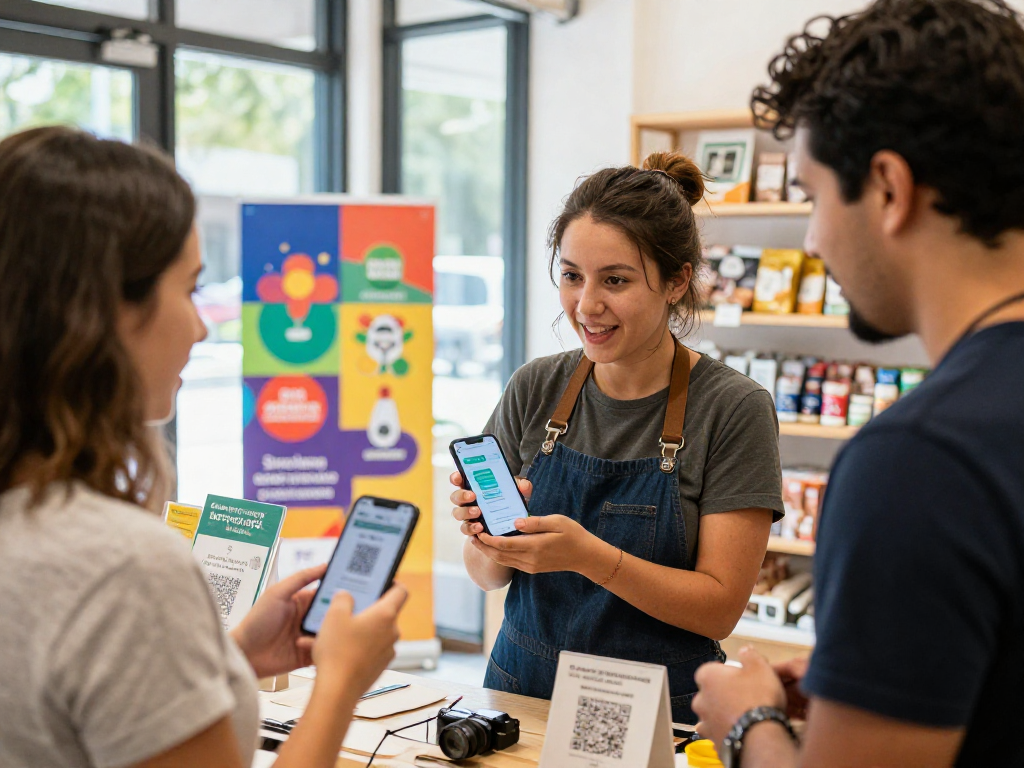
Understanding Loyalty Programs
Loyalty programs have emerged as essential tools for small businesses aiming to cultivate customer retention and increase repeat sales. In a competitive marketplace, where consumer preferences shift rapidly, a well-structured loyalty program can provide the incentive necessary to keep customers coming back, thereby enhancing lifetime value. As businesses navigate the complexities of customer engagement, understanding the mechanics of loyalty programs, their benefits, and the types available is crucial for success. When exploring options, loyalty programs like BonusQR offer tailored solutions that cater specifically to the unique needs of small businesses.
What are Loyalty Programs?
Loyalty programs are systematic approaches designed to encourage customers to continue engaging with a brand or business. These programs reward repeat customers for their loyalty through various incentives, such as discounts, points that can be redeemed for rewards, cashback on purchases, or exclusive offers. The primary aim of loyalty programs is not just to increase sales but also to foster a deeper connection between the customer and the business.
The Importance of Customer Loyalty
Customer loyalty is a vital ingredient for sustained business success. Loyal customers are not only more likely to return but can also become brand advocates, referring friends and family. Statistically, repeat customers typically spend more per transaction than new customers, making loyalty programs a critical strategy for maximizing revenue. Furthermore, acquiring new customers often costs more than retaining existing ones, underscoring the importance of fostering loyalty.
Types of Loyalty Programs for Small Businesses
- Points-Based Programs: Customers earn points for each purchase, which can eventually be redeemed for discounts or free products.
- Cashback Programs: A percentage of the purchase price is returned to the customer, creating an immediate reward.
- Tiered Programs: Customers achieve different levels of rewards based on their spending, incentivizing higher spending to unlock better rewards.
- Referral Programs: Customers earn rewards for referring new customers, expanding the customer base through word-of-mouth.
- Subscription Services: Customers pay a fee for exclusive access to benefits, discounts, or products.
Setting Up Your Loyalty App
Implementing a loyalty app can significantly streamline the process of managing customer rewards and enhancing engagement. These apps simplify customer access to their rewards and provide businesses with valuable insights into customer behavior.
Step-by-Step Guide to Implementing a Loyalty Program
- Define Your Goals: Clearly outline what you want to achieve with your loyalty program, such as increasing customer retention or boosting average order value.
- Choose the Right Program Type: Select a loyalty program structure that aligns with your business model and customer preferences.
- Set Up Your Technology: Choose a reliable loyalty app like BonusQR that integrates easily with your existing systems.
- Design Rewards: Create attractive rewards that motivate customers to participate actively in the program.
- Launch and Promote: Roll out your loyalty program with an engaging marketing campaign to inform customers about the benefits.
Best Practices for Onboarding Customers
A successful onboarding process is crucial for maximizing the effectiveness of your loyalty app. Here are some best practices:
- Simplify Sign-Up: Make the sign-up process quick and easy, ideally requiring minimal information from customers.
- Educate Customers: Provide clear instructions on how to use the app and the benefits they can receive.
- Incentivize Registration: Offer a welcome reward, such as bonus points or discounts, to entice customers to join your loyalty program.
Promoting Your Loyalty App Effectively
To ensure your loyalty program reaches its full potential, consider the following promotional strategies:
- Leverage Social Media: Promote your loyalty program on various social media platforms to reach a broader audience.
- In-store Signage: Use banners and flyers in your physical store that highlight the benefits of your loyalty program.
- Email Marketing: Send out newsletters that inform customers about rewards, exclusive offers, and new features of the app.
Maximizing Engagement Through Rewards
Engagement is key to the success of any loyalty program. By offering compelling rewards and incentives, you can motivate customers to participate actively and benefit from your offerings.
Effective Reward Structures: Points, Cashback, and Discounts
Different reward structures appeal to different customers, so it’s important to understand what resonates most with your target audience:
- Points System: Customers earn points for every purchase, which they can redeem for products or discounts, creating an ongoing incentive to buy more.
- Cashback Offers: Providing a percentage of money back attracts customers who appreciate tangible savings without the hassle of redeeming points.
- Fixed Discounts: Offering a discount on future purchases can lead to immediate increases in transaction size and customer satisfaction.
Gamification Strategies for Enhanced Customer Interaction
Incorporating gamification into your loyalty program can enhance customer engagement. These strategies can include:
- Challenges and Milestones: Set specific challenges that customers can complete to earn extra rewards.
- Leaderboards: Create friendly competition by showcasing top customers or top spenders, encouraging others to strive for recognition.
- Seasonal Campaigns: Run themed campaigns during holidays that offer limited-time rewards to stimulate excitement and interaction.
Communicating Offers and Achievements
Maintaining open lines of communication with customers regarding their loyalty status and available offers is essential. You can do so by:
- Regular Notifications: Use push notifications and email alerts to inform customers about their points balance and new rewards.
- Feedback Requests: After customers redeem rewards, ask for feedback to improve their experience and identify areas for growth.
- Highlighting Achievements: Celebrate customer milestones, such as reaching a rewards tier, which adds a personal touch to the relationship.
Analyzing Loyalty Program Success
Measuring the performance of your loyalty program is crucial for its long-term success. By analyzing key metrics, you can make informed decisions about adjustments and improvements.
Key Metrics to Measure Performance
- Customer Retention Rate: Track how many customers return after their first purchase to assess the effectiveness of your loyalty program.
- Average Order Value: Analyze whether loyalty program members are spending more compared to non-members.
- Engagement Rate: Monitor how often customers interact with your loyalty program and redeem rewards.
Tools for Tracking Customer Engagement
Utilize various tools to measure customer engagement effectively:
- Loyalty Program Software: Invest in a comprehensive loyalty app that tracks user interactions and rewards.
- Analytics Platforms: Use tools like Google Analytics to monitor traffic and conversions related to your loyalty program.
- Customer Feedback Surveys: Regularly survey customers for their opinions on the program and any potential enhancements.
Real-World Case Studies of Successful Loyalty Programs
Examining successful loyalty programs can provide valuable insights and inspiration. For example:
- Starbucks Rewards: Known for its tiered points system and personalized offers, Starbucks has one of the industry's most successful loyalty apps.
- Dunkin’ Donuts DD Perks: This program allows customers to earn points for every purchase, which can be redeemed for free beverages, driving significant repeat business.
- Sephora Beauty Insider: A tiered program that rewards customers with points for purchases, referrals, and birthday gifts, enhancing customer engagement and loyalty.
Future Trends in Customer Loyalty Programs
As technology continues to evolve, so do loyalty programs. Staying ahead of the curve involves adapting to emerging trends that cater to changing customer behaviors.
Emerging Technologies in Loyalty Solutions
The integration of technology in loyalty solutions is reshaping how businesses interact with customers. Look for trends such as:
- Blockchain for Transparency: Blockchain technology can enhance trust by providing transparent tracking of points and rewards.
- Artificial Intelligence: AI can personalize offers based on customer behavior and preferences, improving engagement.
- Mobile Wallet Integration: Allow customers to store loyalty cards and track rewards directly from their mobile wallets for convenience.
Trends to Watch in 2026 and Beyond
As we look toward 2026, several trends are set to shape the landscape of loyalty programs:
- Hyper-Personalization: Customers will expect tailored experiences based on their shopping habits and preferences.
- Sustainability Initiatives: Loyalty programs may increasingly reward eco-friendly purchases or behaviors as sustainability becomes a core value for consumers.
- Seamless Omnichannel Experiences: Programs that integrate online and offline experiences will provide a unified customer journey, enhancing satisfaction.
Adapting to Changing Consumer Behavior
Understanding and reacting to shifts in consumer behavior is crucial for maintaining an effective loyalty program. Businesses should focus on:
- Regularly Updating Rewards: Ensure that the rewards offered remain relevant to current consumer interests and trends.
- Listening to Feedback: Actively seek and implement customer feedback to create a program that resonates with users.
- Engaging with Customers on Social Media: Use social platforms for interaction, building community, and promoting loyalty programs creatively.
What are the best types of loyalty programs?
The best type of loyalty program depends largely on your business type and customer base. For more information, loyalty offers valuable insights. However, programs that combine elements of points, cashback, and tiered incentives tend to be the most effective across a variety of industries. By offering flexible rewards that cater to different customer preferences, businesses can ensure higher engagement and retention.