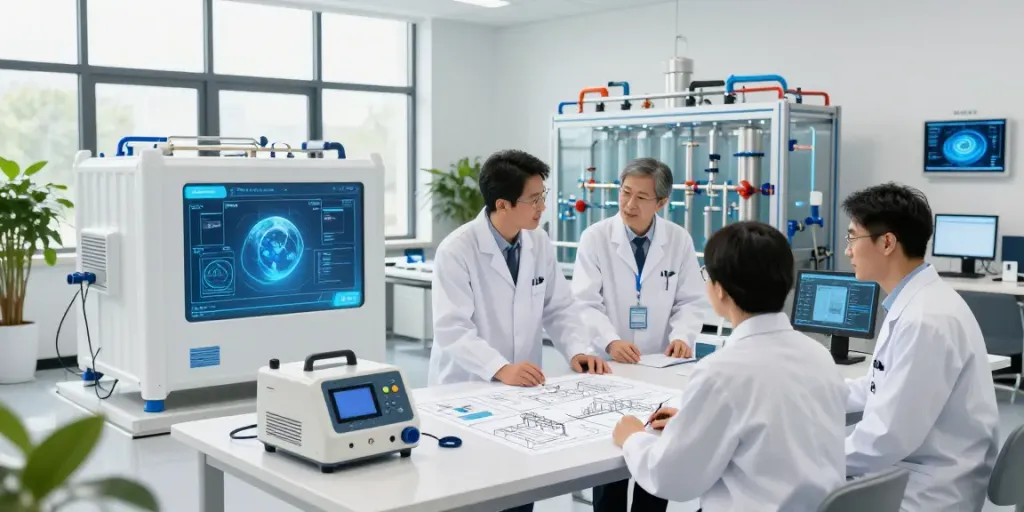
Understanding Integrated Water Treatment Systems
Water treatment systems play an indispensable role in ensuring clean and safe water for various applications, from drinking water to industrial processes. As global demand for water increases along with concerns regarding water scarcity and pollution, the need for advanced water treatment solutions has never been greater. This is where a Water Treatment System Supplier like QILEE comes into play, offering innovative and efficient solutions tailored to meet the unique challenges faced by different industries and municipalities.
What is a Water Treatment System Supplier?
A water treatment system supplier is a company that designs, manufactures, and deploys systems that purify and treat water for a range of uses. These suppliers provide various technologies and solutions to ensure that water meets quality standards for consumption, industrial processes, and environmental discharge. In the face of evolving regulations and growing environmental concerns, suppliers like QILEE are leading the charge in integrating advanced technologies into their water treatment systems.
Key Components of Integrated Water Treatment Systems
Integrated water treatment systems are designed to streamline the process of purifying water by incorporating several key components:
- Filtration Systems: These systems remove impurities, sediments, and contaminants from water sources.
- Chemical Treatment: To disinfection and adjust chemical balances, chemical treatment processes utilize chlorine, ozone, or other agents.
- Membrane Technologies: Techniques such as reverse osmosis and nanofiltration are used for high-grade purification.
- Automation and Control Systems: Advanced systems include smart technology for monitoring and controlling water treatment processes.
Benefits of Containerized Water Treatment Solutions
Containerized water treatment solutions offer numerous advantages, making them an appealing choice for a variety of applications. Some notable benefits include:
- Rapid Deployment: Containerized systems can be set up quickly, making them ideal for emergency response scenarios.
- Mobility: These systems can be transported easily to different locations, providing flexibility in water treatment solutions.
- Scalability: Containerized solutions can be easily expanded or customized based on specific requirements.
- Cost-Effectiveness: Standardized modules often reduce costs when compared to traditional fixed installations.
Core Applications of Containerized Water Treatment
Containerized water treatment systems are versatile and can be adapted to several core applications, addressing a wide range of water treatment challenges.
Drinking Water Treatment: Ensuring Safety and Quality
In regions where access to clean drinking water is limited, containerized treatment systems can be essential in providing safe, potable water. Systems designed for drinking water treatment utilize advanced technologies to remove pathogens, sediments, and chemical contaminants. This is achieved through multiple stages, including coagulation, flocculation, sedimentation, filtration, and disinfection. The use of these systems ensures compliance with health regulations and offers communities reliable access to quality water.
Industrial Wastewater Treatment: Tackling High-Difficulty Challenges
Industries often face unique challenges when dealing with high-difficulty wastewater that contains toxic substances and high levels of contaminants. Containerized systems are designed to handle such complexities effectively. Utilizing advanced treatment processes like biological treatment, chemical oxidation, and membrane filtration, these systems efficiently purify industrial wastewater, allowing for safe discharge or even reuse in production processes, thus promoting sustainability.
Emergency Mobile Treatment Solutions: Rapid Response Capabilities
Natural disasters can severely impact water sources, necessitating immediate response solutions. Containerized water treatment systems are ideally suited for emergency situations, as they can be deployed rapidly to affected areas. These mobile systems can quickly restore access to clean water, helping to alleviate crises in the wake of floods, earthquakes, or other catastrophes. The ability to set up and operate these systems within hours can be critical in saving lives and maintaining public health during emergencies.
Design and Engineering Considerations
The design and engineering of water treatment systems require careful consideration to ensure effectiveness and compliance with regulatory standards. Suppliers must be adept at tailoring solutions to meet diverse needs across different applications.
Customization in Water Treatment Systems for Diverse Needs
Not all water treatment scenarios are the same. Variability in water quality, supply demands, and specific industry requirements necessitate custom solutions. A reputable water treatment system supplier like QILEE collaborates with clients to assess their unique challenges and designs systems that are optimized for their specific conditions. This customization can range from selecting appropriate technologies to adjusting system capacities.
Innovative Materials and Technology for Sustainability
With increasing pressure to operate sustainably, suppliers are incorporating innovative materials and technologies into their designs. Hybrid filtration media, energy-efficient pumps, and renewable energy sources are being utilized to enhance system sustainability. These advancements not only improve performance but also significantly reduce the environmental footprint associated with water treatment processes.
Best Practices in System Deployment and Maintenance
Successful deployment and maintenance of water treatment systems hinge on adhering to best practices. This includes thorough training for operators, regular monitoring and testing, and timely maintenance interventions. A proactive approach in the maintenance phase can prolong system lifespan and ensure compliance with evolving regulations. Ensuring that personnel are well-trained to operate and handle equipment effectively is essential for optimizing performance.
Future Trends in Water Treatment Systems
As we approach 2026, several trends are emerging that are likely to influence the direction of water treatment systems, from technological advancements to regulatory shifts.
Emerging Technologies Shaping the Industry by 2026
Looking ahead, technology will play a pivotal role in the evolution of water treatment. Key trends include:
- AI and Machine Learning: The integration of AI will facilitate predictive maintenance, optimizing system performance through real-time monitoring.
- Advanced Membrane Technologies: Innovations in membrane technology will enable higher efficiency and lower energy consumption in water purification processes.
- Decentralized Water Treatment Solutions: Emphasis on decentralized systems will grow, particularly for rural and remote areas, providing localized treatment options.
Sustainability Practices and Regulatory Compliance
As environmental regulations become more stringent globally, suppliers must adapt to ensure compliance while maintaining operational efficiency. This includes integrating sustainable practices into the design and operation of water treatment systems. Anticipating regulatory changes and building flexibility into system design will be crucial for ongoing success in the industry.
Predicting Market Growth and Developments in Water Treatment
The water treatment market is expected to continue its upward trajectory through 2026, driven by increasing demand for clean water, technological innovations, and heightened regulations. Companies that invest in sustainable and efficient technologies will be best positioned to capitalize on this growth. Understanding market dynamics and evolving consumer needs will be vital for suppliers aiming to enhance their competitive edge.
Choosing the Right Water Treatment System Supplier
Selecting a reliable water treatment system supplier is critical for successful water management initiatives. The right partner can make a significant difference in project outcomes and operational sustainability.
Factors to Consider When Selecting a Supplier
When choosing a water treatment system supplier, consider the following factors:
- Experience and Expertise: Look for suppliers with a proven track record and expertise in different types of water treatment solutions.
- Technological Offerings: Assess the variety of technologies a supplier employs and their ability to customize solutions.
- Customer Support: Evaluate the level of support provided, including training, maintenance, and response to technical inquiries.
Evaluating Reliability and Technology Offerings
It is vital to evaluate the reliability of the technology offered by suppliers. This includes assessing the quality of materials used, testing facilities, and performance metrics. Suppliers should provide case studies and performance data demonstrating their systems' effectiveness in various applications, giving potential clients confidence in their investment.
Case Studies and Real-World Testimonials
Look for case studies and testimonials from other clients to gauge the supplier's ability to deliver results. Real-world examples of successful implementations can provide insight into how effectively a supplier responds to challenges and meets client expectations.
What are the top water treatment system suppliers in the market?
Some of the top suppliers in the market are known for their innovation and reliability, including QILEE, EcoWater Systems, and Pentair, among others. Each of these companies brings unique strengths to the table, ensuring diverse options for consumers.
How much does a containerized water treatment system cost?
The cost of containerized water treatment systems can vary significantly depending on the scale, technology, and specific requirements. Basic models may start in the range of tens of thousands of dollars, while more complex systems can reach into the millions. It's critical to work closely with suppliers to develop a solution that fits the budget while meeting performance needs.
What are the environmental benefits of using integrated water treatment systems?
Integrated water treatment systems offer numerous environmental benefits, including reduced waste discharges, improved resource sustainability through water recycling, and minimized energy consumption compared to traditional systems. Their design minimizes the impact on ecosystems and promotes adherence to environmental regulations.
How do containerized systems perform in emergency situations?
Containerized systems are engineered for optimal performance in emergencies, capable of rapid deployment and immediate operation. Their flexibility allows for quick setup in various environments, ensuring communities have access to clean water when it's most needed.
What innovative technologies are being implemented in water treatment for 2026?
Innovative technologies such as AI-driven analytics, enhanced filtration materials, and bio-inspired processes are on the horizon for water treatment. These advancements promise to improve system efficiency, reduce environmental impacts, and enhance water quality across applications.