The Evolution of CNC Machining: A Historical Perspective
Since its inception, CNC (Computer Numerical Control) machining has transformed the manufacturing landscape. With roots dating back to the 1940s, CNC machining has evolved from simple mechanical systems into sophisticated automated tools that enhance precision and efficiency in production. This article explores the evolution of CNC machining, shedding light on historical milestones, the role of technology, and the impact of this evolution on today’s manufacturing processes.
Understanding the Basics of CNC Technology
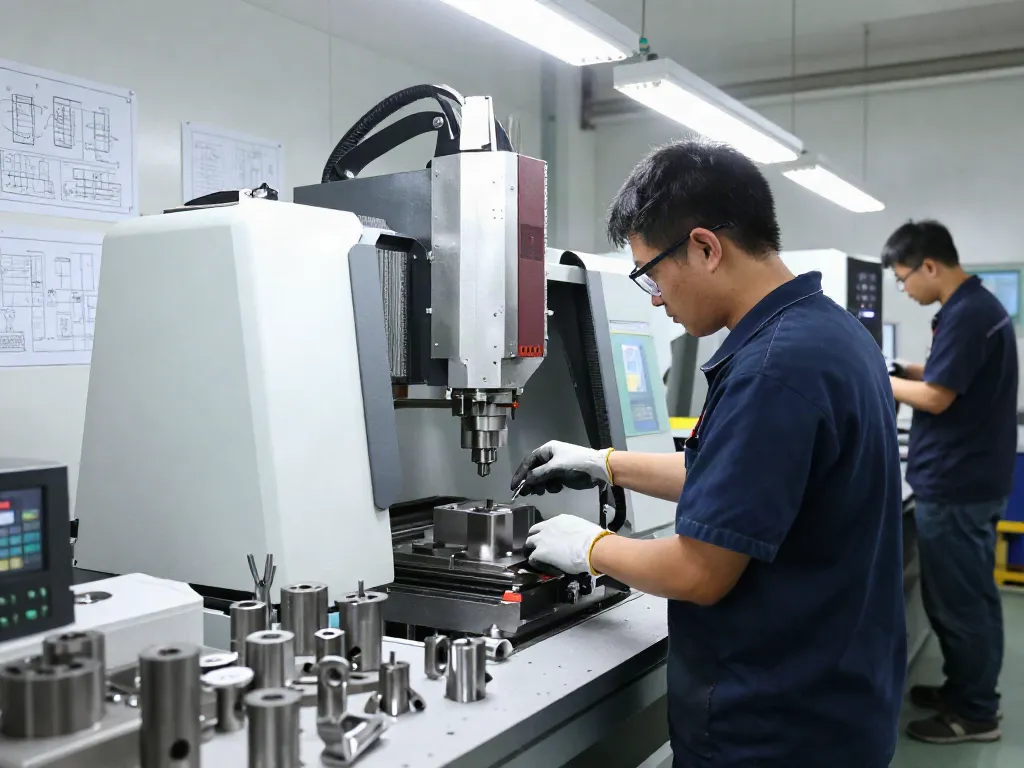
CNC technology utilizes computers to control machine tools. Unlike their manual counterparts, these machines follow programmed instructions to produce intricate parts with remarkable accuracy. Components are designed using CAD (Computer-Aided Design) software, which is then translated into the machine’s language through a process called G-code generation. This shift from manual to automatic processes has made CNC technology the hallmark of precision engineering.
Key Milestones in CNC Machining Development
- 1940s - 1950s: The development of the first numerical control machines.
- 1960s: Introduction of the mini-computer, allowing more user-friendly programming and lower costs.
- 1980s: Rise of computer-aided design (CAD) software that revolutionized design processes.
- 1990s - 2000s: The integration of CAD/CAM (Computer-Aided Manufacturing) systems enabled seamless production workflows.
- 2010s and beyond: Advancements such as cloud computing and IoT (Internet of Things) have propelled CNC machining into a new era, emphasizing connectivity and data analysis.
The Impact of CNC on Manufacturing Efficiency
The advancements in CNC machining have significantly enhanced manufacturing efficiency. Automated processes reduce human error, enabling consistent quality and faster production times. The ability to conduct complex operations on a single machine reduces the need for multiple setups, thus saving time and resources. Moreover, the integration of advanced technologies allows for real-time monitoring and adjustment, ensuring optimal performance throughout the production cycle.
Precision in Design: The Role of CAD in CNC Machining
Design precision is paramount in CNC machining, and this is where CAD software plays a crucial role. By transforming conceptual designs into precise digital models, CAD software facilitates the intricate specifications required for high-quality CNC machining. When exploring options, cnc machining parts manufacturer can leverage advanced CAD applications to ensure accuracy and efficiency in production.
How CAD Software Revolutionizes CNC Machining Parts Manufacturing
CAD software allows engineers and designers to create detailed 2D and 3D models, which are essential for CNC machining. The designs created in CAD can be directly imported into CNC machines, eliminating manual translation errors. Furthermore, this software enables simulations to visualize the machining process before actual production, allowing for the identification and resolution of potential issues in the design phase.
Integrating Design with Production: Best Practices
- Collaborative Engineering: Foster communication between design and manufacturing teams to ensure compatibility and efficiency.
- Incremental Testing: Use prototyping techniques to validate designs before full-scale production.
- Standardization: Establish standardized processes in CAD and CNC operations to streamline production workflows.
Common Challenges in CAD and CNC Integration
Despite the advantages, integrating CAD with CNC machining is not without challenges. Common issues include software compatibility, data transfer errors, and discrepancies between design intentions and machining capabilities. Addressing these challenges requires ongoing training for staff and investment in compatible technologies to ensure seamless integration.
Quality Assurance: Ensuring Excellence in CNC Machined Parts
Quality assurance is critical in CNC machining, as it directly impacts product reliability and performance. Adhering to stringent quality control standards is necessary to build trust with clients and maintain long-term relationships.
Standards and Certifications for Quality Control
To ensure the highest quality, CNC machining operations often comply with international standards such as ISO 9001:2015. These certifications not only streamline internal processes but also provide customers with confidence in the products they receive.
Methods of Inspection and Testing CNC Parts
- Visual Inspections: Basic checks for surface finish and material defects.
- Dimensional Analysis: Using calipers and microscopes to measure parts against specifications.
- Non-destructive Testing: Techniques such as ultrasonic or X-ray testing to identify internal defects without damaging the parts.
Case Studies: Successful Implementation of Quality Assurance Systems
Numerous manufacturers have successfully improved their output quality through rigorous quality assurance systems. For example, a leading automotive parts manufacturer implemented a real-time monitoring system, reducing defect rates by over 15% within the first year. Such implementations illustrate the tangible benefits of stringent quality controls in CNC machining.
Future Trends: Innovations Shaping CNC Machining by 2026
The landscape of CNC machining is poised for significant transformations as emerging technologies gain traction. Understanding these trends is essential for manufacturers aiming to remain competitive in the evolving marketplace.
Emerging Technologies in CNC Machining
- Artificial Intelligence: AI algorithms can optimize machining processes and predict maintenance needs, increasing efficiency and reducing downtime.
- Automation and Robotics: Enhanced automation will lead to more flexible production lines capable of adapting to varying production demands.
- 3D Printing: Integrating additive manufacturing with CNC machining will allow for unique designs and reduced material waste.
Sustainability Practices in the CNC Machinery Industry
As sustainability becomes a priority worldwide, CNC machining companies are implementing eco-friendly practices. These include recycling waste materials, using energy-efficient machines, and adopting processes that minimize emissions. Manufacturers that embrace sustainability not only fulfill regulatory requirements but also appeal to environmentally conscious consumers.
Predictions for CNC Machining Parts Manufacturer Landscape
As we look towards 2026, the CNC machining parts manufacturer landscape is expected to evolve with increased technological integration, a greater emphasis on customization, and enhanced customer engagement strategies. Companies that can adapt to these changes will likely emerge as leaders in the industry.
Building Relationships: The Importance of Customer Engagement in CNC Manufacturing
In the competitive world of CNC machining, fostering strong relationships with clients is crucial. Understanding customer needs and providing tailored solutions can significantly enhance business success.
Strategies for Effective Communication with Clients
- Regular Consultations: Schedule periodic meetings to discuss project progress and gather feedback.
- Transparent Processes: Keep clients informed about timelines, potential challenges, and solutions.
Long-Term Partnerships: Case Studies in Successful Collaborations
Several CNC machining manufacturers have thrived by establishing long-term partnerships with clients. One notable example includes a collaboration between a CNC supplier and an aerospace manufacturer that resulted in streamlined production processes, leading to a 20% reduction in lead times.
The Role of Feedback in Product Development
Customer feedback is an invaluable resource for CNC manufacturers looking to enhance their offerings. By actively seeking input on product performance and quality, companies can make informed adjustments to their machining processes, thereby increasing customer satisfaction and loyalty.
What are the advantages of CNC machining over traditional methods?
CNC machining offers numerous advantages, including enhanced precision, consistent quality, and reduced lead times. The automation of machining processes minimizes human error, leading to higher accuracy compared to traditional methods.
How does precision impact the final product quality in CNC machining?
Precision in CNC machining ensures that parts meet specified tolerances, resulting in components that fit and function correctly. High precision reduces the likelihood of defects, ensuring that products perform reliably in their applications.
What industries benefit the most from CNC machining parts?
CNC machining is crucial across various industries, including aerospace, automotive, medical, and electronics. These sectors require high-precision components and rely heavily on the capabilities offered by CNC machining technologies.
Can CNC machining be customized for specific needs?
Absolutely! CNC machining is highly versatile and can be tailored to meet the specific needs of different projects. Manufacturers can create custom tooling and adapt machining processes to suit unique designs or materials.
What are the expected trends in CNC machining by 2026?
By 2026, trends in CNC machining are expected to include increased automation, further integration of AI technologies, and a greater focus on sustainable practices. Customization and rapid prototyping will also be key drivers of growth in the industry.