Understanding the Basics of Crowdfunding for Community Gardens
Defining Crowdfunding and Its Importance
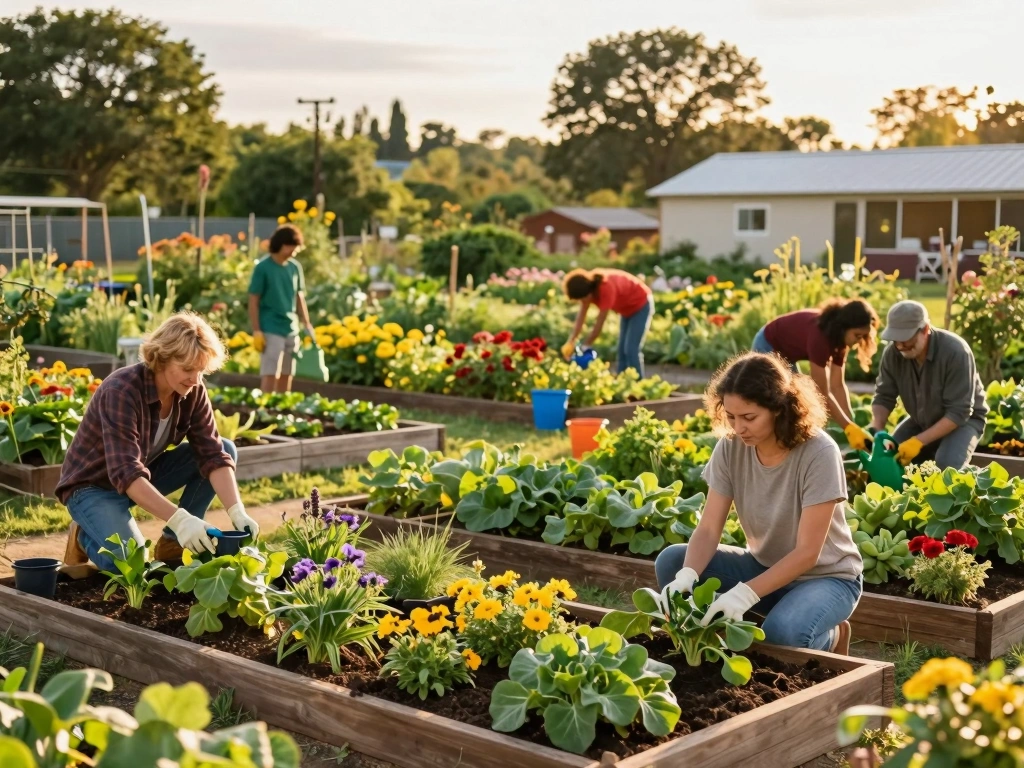
Crowdfunding is a method of raising capital through the collective efforts of a large number of individuals, typically via the internet. For community gardens, crowdfunding serves as a vital tool that enables communities to gather the necessary funds for establishing and maintaining a garden space. This approach democratizes funding, allowing diverse voices and contributions to shape the garden's future.
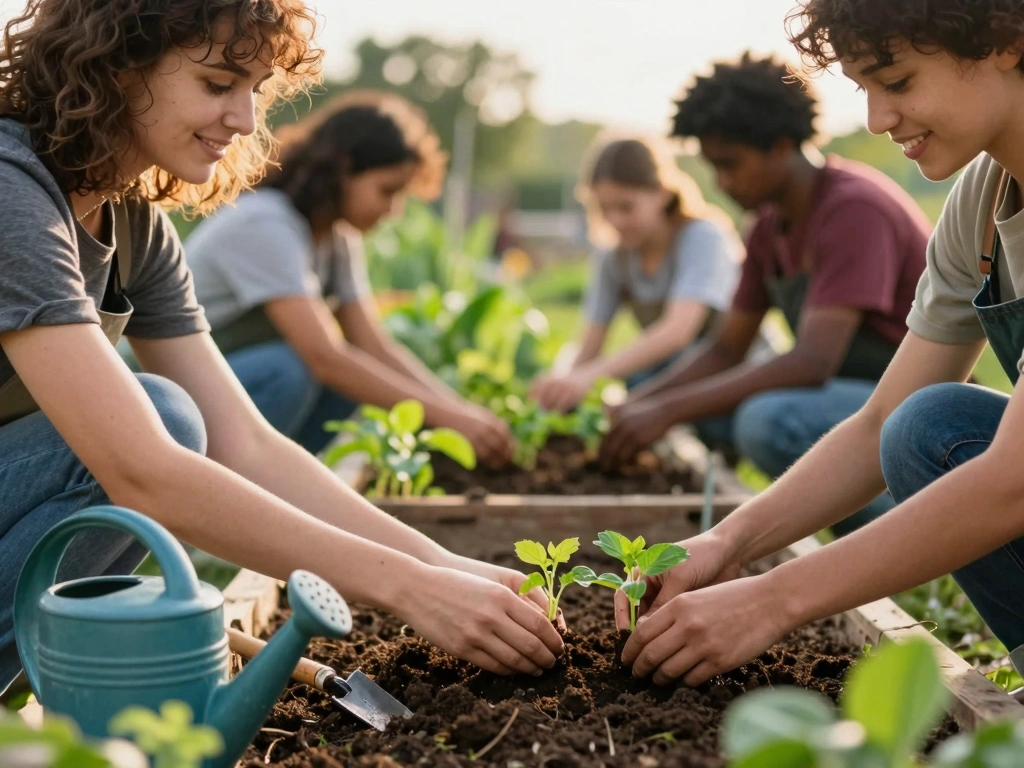
The importance of crowdfunding in community gardening cannot be overstated. It not only provides financial resources but also fosters a sense of ownership and engagement among community members. When people invest their money into a project, they are more likely to become involved in its success, leading to a robust support network that can sustain the garden over time.
Types of Crowdfunding Platforms Suitable for Gardens
There are several crowdfunding platforms that cater to community gardens and similar projects. Here are a few popular options:
- Kickstarter: Known for creative projects, Kickstarter can be an effective platform for unique community garden concepts.
- GoFundMe: This platform is well-suited for personal projects and community initiatives, making it a great choice for local gardens.
- Indiegogo: With flexible funding options, Indiegogo allows project creators to keep funds even if they do not reach their goal.
- Patreon: This subscription-based platform can be used for ongoing support, allowing backers to contribute monthly to maintain the garden.
Choosing the right platform depends on the garden's specific needs, target audience, and funding goals.
Legal and Financial Considerations Before Launching
Before launching a crowdfunding campaign for a community garden, it's crucial to understand the legal and financial implications:
- Permits: Check local regulations regarding land use and gardening. Some areas may require specific permits to establish a garden.
- Tax Considerations: Understand how funds raised may be taxed. Consult a tax professional to navigate these complexities.
- Budgeting: A detailed budget is essential. Include costs for soil, seeds, tools, and maintenance, ensuring transparency to potential backers.
Being informed about these factors will enhance credibility and encourage community support.
Building a Strong Community Support Network
Identifying and Engaging Potential Gardeners and Volunteers
A successful community garden relies heavily on the active participation of local residents. Start by identifying potential gardeners within the community. This can be done through surveys, community meetings, or social media outreach. Engage with local schools, senior centers, and neighborhood associations to recruit volunteers and gardeners of varying skill levels.
Once individuals express interest, organize orientation sessions to inform them about the garden's vision, goals, and their potential roles. Encourage participation by offering workshops on gardening techniques, which can help build a sense of community and shared responsibility.
Creating Partnerships with Local Businesses and Organizations
Forming partnerships with local businesses and organizations can significantly enhance the resources available for your community garden. Here are some strategies:
- Sponsorships: Approach local businesses to sponsor your garden. In return, offer to display their logos on garden signage or promotional materials.
- Resource Sharing: Collaborate with local agricultural organizations for access to tools, seeds, and expertise. This can reduce costs and improve garden quality.
- Community Events: Partner with businesses to host events, such as farmer's markets or workshops, which can draw attention to the garden and enhance community involvement.
Building these partnerships not only helps with funding but also integrates the garden into the local community fabric.
Utilizing Social Media for Community Outreach
Social media platforms are powerful tools for community outreach. Create dedicated pages or groups on platforms like Facebook, Instagram, and Twitter to share updates, gardening tips, and event announcements. Here are some tips for effective social media use:
- Regular Updates: Post consistent updates about the garden's progress, upcoming events, and volunteer opportunities.
- Visual Content: Share photos and videos of the garden and its activities to engage followers and attract potential backers.
- Community Engagement: Encourage followers to share their gardening experiences and tips, fostering a sense of belonging and collaboration.
Social media can amplify your message and create a vibrant online community around your garden.
Designing an Effective Crowdfunding Campaign
Setting Realistic Goals and Budgeting for Your Garden
Setting achievable financial goals is crucial for a successful crowdfunding campaign. Start by estimating the total costs involved in establishing the garden, including:
- Soil and compost
- Seeds and plants
- Tools and equipment
- Water supply and irrigation systems
- Permits and insurance
Once you have a comprehensive budget, set a crowdfunding goal that not only covers these costs but also accounts for any contingencies. A common strategy is to add 10-20% to your estimated budget to accommodate unexpected expenses.
Crafting a Compelling Narrative to Attract Donors
The story behind your community garden can be a powerful motivator for potential backers. When crafting your narrative, consider including:
- Community Impact: Describe how the garden will benefit the community, such as providing fresh produce, improving mental health, and fostering social connections.
- Personal Stories: Share testimonials from community members expressing their desire for a garden and how it can enhance their lives.
- Visual Elements: Use images and videos to make your story more vivid and relatable, showing the potential transformation of the space.
A compelling narrative creates an emotional connection, encouraging people to support your cause.
Choosing Incentives That Appeal to Backers
Incentives can significantly increase the likelihood of receiving donations. Here are some ideas for appealing incentives:
- Recognition: Offer to place donors' names on a donor wall in the garden or mention them on social media.
- Garden Produce: Provide backers with fresh vegetables or herbs as a thank-you for their support.
- Workshops and Events: Invite backers to exclusive gardening workshops or community events that showcase the garden's progress.
Ensuring that incentives are attractive and relevant to your audience can motivate them to contribute more generously.
Managing Resources and Operations Post-Funding
Allocating Funds Wisely for Garden Development
Once the crowdfunding campaign is successfully funded, careful financial management is essential. Start by categorizing expenses based on the budget created during the campaign. Allocate funds for immediate needs, such as soil, seeds, and tools, while also reserving some for ongoing maintenance costs.
Consider setting up a dedicated bank account for the garden funds to ensure transparency and proper tracking of expenditures. Regularly review your budget against actual spending to identify areas where adjustments may be necessary.
Establishing a Maintenance and Governance Plan
A well-structured maintenance and governance plan is crucial for the sustainability of the garden. This plan should outline:
- Responsibilities: Clearly define roles for volunteers, including who will be responsible for watering, weeding, and harvesting.
- Scheduling: Create a regular schedule for maintenance tasks, ensuring that all volunteers understand their commitments.
- Decision-Making Process: Establish a governance structure for making decisions about the garden, such as crop selection and financial expenditures.
This structure will promote accountability and ensure that the garden thrives over the long term.
Tracking Progress and Communicating with Backers
Transparency with backers is key to maintaining their support and trust. Regularly update them on the garden's progress through newsletters, social media posts, and community meetings. Share successes, challenges, and any changes in plans, demonstrating how their contributions have made an impact.
Consider conducting surveys to gather feedback from backers and community members, using their insights to improve the garden and community engagement efforts.
Ensuring Long-Term Sustainability and Growth
Implementing Crop Rotation and Sustainable Practices
To ensure the long-term viability of the community garden, implementing sustainable agricultural practices is essential. Crop rotation is a technique that helps maintain soil health and prevent pest infestations. By rotating crops each season, gardeners can enhance soil fertility and reduce the need for chemical fertilizers.
Additionally, consider incorporating other sustainable practices such as composting, organic gardening methods, and rainwater harvesting. These practices not only contribute to a healthier garden but also educate community members about sustainability.
Organizing Events and Workshops to Foster Community Engagement
Hosting events and workshops can significantly enhance community engagement and foster a sense of belonging among members. Organize seasonal planting days, harvest festivals, or educational workshops on topics like organic gardening, cooking demonstrations, and eco-friendly practices. These events not only draw attention to the garden but also create opportunities for community bonding and learning.
For example, consider partnering with local chefs to hold a cooking class using produce from the garden, showcasing how fresh ingredients can enhance meals. Such initiatives can attract diverse community members and strengthen support for the garden.
Evaluating Success and Planning for Future Campaigns
Regular evaluation of the garden's success is essential for planning future campaigns. Set measurable goals for various aspects of the garden, such as yield, community involvement, and educational outreach. By tracking these metrics, you can assess the garden's impact and identify areas for improvement.
Documenting successes and challenges will also provide valuable insights for future crowdfunding campaigns. Use this information to refine your narrative, adjust goals, and engage backers more effectively. Celebrate milestones and share them with your community, reinforcing their connection to the garden and encouraging ongoing support.